History of Chocolate
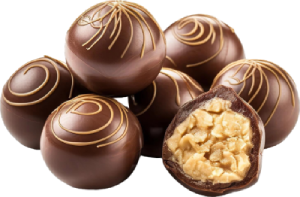
Chocolate is a food made from roasted and ground cocoa beans, which are the processed seeds of the cocoa tree. It can exist as a liquid, a solid, or a paste, and it serves as the base for some of the world's most beloved foods and drinks. But before it became the sweet, creamy treat we know today, it took years of cultural exchange, innovation, and refinement.
To understand its history, we must begin with the origin.
Origin
The cocoa tree (Theobroma cacao), which produces cocoa beans, is a tropical plant native to Central and South America. Archaeological evidence suggests that cocoa was first used as a food source more than 5,000 years ago in what is now southeastern Ecuador, where the Mayo-Chinchipe culture is believed to have domesticated the plant. From there, knowledge of the cocoa plant gradually spread into Mesoamerica, where it became a strong part of the cultures of several ancient civilizations.
Some of the earliest known users were the Olmecs, who are thought to have fermented the sweet pulp surrounding the cocoa beans into a drink. But over time, other civilizations, such as the Maya and the Aztecs, developed their own methods for preparing cocoa beverages.
Beyond just being an edible substance, the Mayans and the Aztecs also considered cocoa to be a gift from the gods. Also, they used cocoa beans as currency, offered them in ceremonies, paid them as tribute to rulers and deities, and also used them as medicine.
Chocolate at this stage, however, looked and tasted nothing like what we enjoy today. It was just a bitter drink that was usually mixed with vanilla, chili, and elderflower. It was also ritualistic in the way it was seen.
Chocolate in Europe
Spanish conquistador Hernán Cortés is widely believed to have been among the first Europeans to encounter chocolate. He observed it being consumed at the court of the Aztec ruler Moctezuma II around 1520. And of course, he didn't instantly like how it tasted. So it wasn't until 1585 that the first official shipment of cocoa beans arrived in Europe.
Once it caught on, though, chocolate spread quickly across the continent. It was sweetened, served warm, and blended with familiar spices to suit European palates. It was also believed to be an aphrodisiac and a medicine, which certainly helped its popularity.
However, for most of the 17th and 18th centuries, chocolate remained a luxury drink enjoyed almost exclusively by the aristocracy and social elite.
Industrial Transformation
Chocolate, as we know it today, is largely a product of the Industrial Revolution that began with Dutch chemist Coenraad Johannes van Houten in 1828. He patented a process that separated cocoa butter from chocolate liquor, and that made large-scale chocolate production possible.
From there, the development of engine-powered milling happened. Then there was the invention of the melanger, the introduction of modern milk chocolate, and the conching process, which made chocolate smoother and richer in flavour.
By 1866, chocolate was no longer a privilege of the elite. Mass-produced chocolate bars like the Fry's Chocolate Cream had started appearing, and everyone had access to them.
The 20th Century and Beyond
By the 20th century, chocolate had become one of the world’s most beloved foods. More innovations in processing and manufacturing were introduced to help refine both the texture and appearance.
For example, techniques such as tempering gave chocolate its signature glossy finish and satisfying snap, while ingredients like lecithin were introduced to improve consistency and increase production efficiency. During this period, new varieties such as white chocolate and couverture chocolate also emerged, expanding the possibilities for chocolatiers and dessert makers.
Today, chocolate continues to evolve. We now have different international brands and even small craft producers. What began thousands of years ago as a bitter ceremonial drink has now transformed into a global culinary staple.
Social and Cultural Uses of Chocolate
While it would be highly unlikely today to see cocoa beans used as currency or offered as tribute, as the Maya and Aztecs once did, some modern uses of chocolate still mirror the symbolic role it played in those ancient societies. One of the most notable examples is its place in ceremonies and special occasions.
Across many cultures, chocolate has become closely associated with celebration, joy, and the marking of meaningful moments. Weddings are a good example.
In some parts of the world, we now have chocolate fountains at wedding receptions where guests can dip fruit, marshmallows, or pastries into flowing melted chocolate. We also now have chocolate wedding cakes, or cakes with rich chocolate layers. Many couples also choose to gift their guests beautifully packaged chocolate as a token of appreciation.
Beyond weddings, chocolate is also used in other festive and cultural events. Around the world, it is commonly exchanged as a gift during holidays such as Valentine’s Day, Christmas, Easter, and New Year celebrations.
However, beyond ceremonies and celebrations, chocolate also appears in many other areas of everyday life.
Other Uses of Chocolate Today
Other uses of chocolate include:
- As beverages such as hot chocolate, chocolate milk, and chocolate-flavoured liqueurs.
- As gifts for birthdays, holidays, and special occasions.
- As desserts, including cakes, brownies, mousse, cookies, and ice cream.
- As snacks such as chocolate bars and chocolate-coated treats.
- As ingredients in luxury and artisanal confectionery.
- In wellness and health, particularly dark chocolate, which is noted for its antioxidant properties and potential heart health benefits.
Types of Chocolate
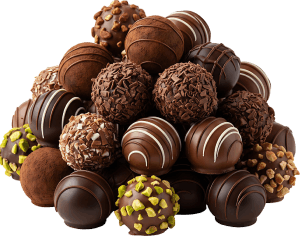
When we talk about types of chocolate, we are referring to the different forms chocolate can take depending on how it is processed and the ingredients used to make it. Here are the major types:
- Dark Chocolate: Dark chocolate is one of the most traditional forms of chocolate. It contains cocoa butter, cocoa solids, and sugar, but little to no milk.
- Milk Chocolate: Milk chocolate is sweeter and creamier than dark chocolate because it contains milk solids. It also contains cocoa butter, cocoa solids, and sugar.
- White Chocolate: White chocolate looks quite different from other types because it doesn’t contain cocoa solids. Instead, it is made from cocoa butter, sugar, and milk solids, which gives it its pale ivory color and sweet, creamy taste.
- Ruby Chocolate: Ruby chocolate is a relatively newer variety that is known for its distinctive pink color. It has a naturally fruity flavor and has a taste that is different from the traditional dark, milk, or white chocolate varieties.
- Raw Chocolate: Raw chocolate is made using cocoa beans that have not been roasted. Because of this minimal processing, it is often considered closer to the natural form of chocolate and may retain more of the bean’s original flavor.
Chocolate Specialties
Over the years, chocolatiers and dessert makers have experimented with chocolate in countless ways and have turned it into different signature products that relate to their local tastes, techniques, and culinary traditions. We called these signature products specialties.
Some of these specialties have become globally recognized and are often associated with particular countries known for their chocolate craftsmanship. Some of the most popular ones are:
- Belgian Pralines: These are bite-sized chocolates with soft fillings like cream, caramel, or nut paste.
- Swiss Chocolate Bars: Swiss chocolate bars are famous for their refined texture and balanced flavor. And to an extent, they have influenced modern chocolate-making techniques.
- Chocolate Truffles: Chocolate truffles are small, rich confections typically made with a chocolate ganache center and coated with cocoa powder, nuts, or melted chocolate.
- Chocolate Fondue: Chocolate fondue is a popular dessert in which melted chocolate is served in a shared pot, where people can dip fruits, marshmallows, cake pieces, or biscuits into it.
- Mexican Hot Chocolate: In Mexico, chocolate is traditionally prepared as a warm beverage flavored with cinnamon and other spices.
Why Chocolate Remains One of the World’s Favorite Foods
Today, everybody loves chocolate. But it was once just a bitter drink that people only drank ceremonially. Now, there are different forms of it, and it is used in different ways, as desserts, drinks, gifts in celebrations, in health and wellness, and as everyday snacks.